Debt can be a heavy burden. Whether you’ve got student loans, credit card debt, or a mortgage, paying off debt often feels like an insurmountable task. However, with a clear strategy and disciplined approach, you can accelerate your debt repayment and move closer to living a debt-free life.
In this article, we’ll explore effective strategies to pay off your loans faster, offering actionable tips and a plan to help you become financially free. From budgeting tips to repayment strategies, here’s how you can take control of your finances and pay off your debt quickly.
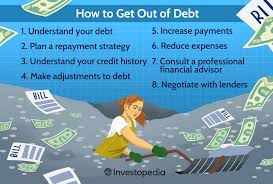
1. Understand Your Debt
The first step toward paying off your debt is understanding exactly how much you owe. Take time to create a comprehensive list of all your debts, including credit cards, student loans, car loans, personal loans, and mortgage payments. Write down the following details for each loan:
- Total balance owed
- Interest rate
- Minimum monthly payment
- Due date
This will help you prioritize your payments and identify which debts need to be paid off first. Once you have a clear understanding of your debt, you can create an actionable repayment strategy.
2. Create a Budget and Stick to It
A solid budget is the backbone of any successful debt payoff plan. Without a budget, it’s easy to overspend and fall further into debt. Use the 50/30/20 rule to guide your budgeting:
- 50% for needs (e.g., housing, utilities, transportation)
- 30% for wants (e.g., entertainment, dining out)
- 20% for savings and debt repayment
Once you have your budget set, allocate a portion of the 20% toward paying down your debt. The more you can pay off each month, the faster you’ll be able to clear your balances.
3. Use the Debt Avalanche Method
One of the most effective strategies for paying off debt faster is the debt avalanche method. This approach focuses on paying off the debt with the highest interest rate first, while making minimum payments on all other debts. By tackling high-interest debt first, you save money on interest over time, which accelerates your repayment process.
Here’s how it works:
- List your debts in order of interest rate, from highest to lowest.
- Focus on paying off the debt with the highest interest rate while making minimum payments on the other debts.
- Once the highest-interest debt is paid off, move to the next highest-interest debt and continue the process.
The debt avalanche method helps minimize the amount of money you pay in interest, allowing you to pay off your debts faster.
4. Consider the Debt Snowball Method
Alternatively, you can use the debt snowball method, which focuses on paying off your smallest debt first. While this method may not save you as much money on interest, it provides quick wins that can keep you motivated. Here’s how it works:
- List your debts from smallest to largest balance.
- Focus on paying off the smallest debt first, while making minimum payments on the others.
- Once the smallest debt is paid off, move to the next smallest debt and continue the process.
The key advantage of the debt snowball method is that it builds momentum. As you pay off smaller balances, you may feel more encouraged to tackle larger debts, leading to faster overall progress.
5. Increase Your Income
Paying off debt faster often requires finding ways to bring in more money. Increasing your income allows you to put more toward your debt each month, accelerating the repayment process. Consider these options:
- Side hustle: Freelancing, tutoring, delivery driving, or selling products online can generate extra income.
- Ask for a raise: If you’re employed, negotiate a raise with your current employer or look for a higher-paying job.
- Sell unused items: Sell items you no longer need, such as electronics, clothing, or furniture, to free up cash.
Even small increases in your income can significantly impact how quickly you pay off your debt.
6. Cut Back on Expenses
To pay off your debt faster, you might also need to trim your expenses. Evaluate your spending habits and look for areas where you can cut back. Here are a few ideas:
- Eliminate subscriptions: Cancel unused subscriptions or memberships (e.g., streaming services, gym memberships).
- Cook at home: Instead of eating out, prepare meals at home to save money.
- Downsize your lifestyle: Consider moving to a less expensive home or reducing your car expenses by using public transportation.
Redirecting any savings from cutting expenses directly toward your debt can help you pay it off faster.
7. Negotiate Your Interest Rates
If you’re struggling with high-interest rates on your loans or credit cards, consider negotiating with creditors. Many creditors are willing to work with you, especially if you have a good payment history. Here’s how to approach them:
- Call your credit card company or loan provider and ask for a lower interest rate.
- Explain your situation and your intention to pay off the debt.
- If you’ve been a loyal customer, mention your positive payment history as leverage.
Even a small reduction in your interest rate can help you save money in the long run and reduce your debt faster.
8. Consider Debt Consolidation
If you have multiple high-interest debts, debt consolidation might be a good option. Debt consolidation involves combining several loans into one with a lower interest rate, making it easier to manage your monthly payments. There are two primary ways to consolidate debt:
- Personal loan: You take out a loan to pay off multiple high-interest debts.
- Balance transfer credit card: Transfer the balances of high-interest credit cards to a new card with a 0% introductory APR (for a set period).
Debt consolidation simplifies your payments and can help you reduce your interest rates, but it’s important to be disciplined and avoid accumulating more debt while you pay off your consolidated loan.
9. Pay More Than the Minimum
Whenever possible, try to pay more than the minimum required payment. While making the minimum payments will keep you from falling behind, it won’t help you get out of debt faster. By paying extra toward your debt, you reduce your overall balance and the amount of interest you owe.
Even small additional payments can make a significant difference over time. For example, if you add just $50 to your minimum payment each month, you could save hundreds of dollars in interest and pay off your loan years sooner.
10. Build an Emergency Fund
Building an emergency fund is essential for debt-free living. Having cash set aside for unexpected expenses can help you avoid relying on credit cards or loans in case of emergencies. Start small with a $500–$1,000 emergency fund and build it up gradually as you pay off your debt.
Once your debt is under control, consider increasing your emergency fund to cover 3–6 months of living expenses. This cushion will give you financial peace of mind and prevent you from falling back into debt in case of a job loss, medical emergency, or other unforeseen circumstances.
11. Stay Motivated and Be Patient
Paying off debt takes time, and it’s important to stay motivated throughout the process. Celebrate small victories along the way, such as paying off a credit card or reaching a savings milestone. Tracking your progress can help you stay focused on your goal of becoming debt-free.
Remember, the road to debt-free living may be long, but with perseverance, discipline, and the right strategies, you can get there faster than you think.
Conclusion
Becoming debt-free is not an overnight accomplishment, but with careful planning and the right strategies, you can pay off your loans faster. Whether you choose the debt avalanche method, the debt snowball method, or a combination of both, the key is consistency. Stick to a budget, find ways to increase your income, cut unnecessary expenses, and focus on paying down your debt as quickly as possible.
The road to financial freedom may be challenging, but the sense of relief and empowerment that comes with living a debt-free life is worth every sacrifice. Start today, and take control of your financial future!