Retirement might seem like a distant concept when you’re young, but starting to save early can make a significant difference in your long-term financial security. Regardless of whether you’re in your 20s, 30s, 40s, 50s, or even closer to retirement, there are strategic ways to maximize your retirement savings and ensure you’re financially prepared for the future. This article will provide you with practical tips tailored to different age groups, helping you secure a comfortable retirement no matter where you are in your financial journey.
Why Start Saving for Retirement Early?
Before diving into age-specific strategies, it’s essential to understand why starting early is so crucial. The power of compound interest works best when you have years—or even decades—of savings growth. The earlier you start, the more time your money has to grow. Additionally, saving for retirement reduces the financial burden later in life and provides peace of mind, knowing you’re building a solid nest egg.
Tips for Maximizing Retirement Savings at Different Ages
In Your 20s: Start Early, Save Consistently
The 20s are the perfect time to lay the groundwork for a financially secure future. While retirement may seem far off, saving now can give you a massive advantage over time.
1. Start Saving, Even if It’s Small
The key is to start. Whether it’s $50 a month or $500, any amount is better than nothing. The power of compound interest means even small contributions can grow significantly over time.
2. Take Advantage of Employer-Sponsored Retirement Plans
Many employers offer 401(k) plans, and if your employer matches contributions, that’s essentially free money. Aim to contribute at least enough to get the full match. If your company offers a 3% match, contribute at least that amount to maximize your savings.
3. Open an IRA (Individual Retirement Account)
If your employer doesn’t offer a 401(k) or if you want to save more, an IRA can be a great option. Traditional IRAs provide tax-deferred growth, while Roth IRAs offer tax-free growth and withdrawals in retirement. The younger you are, the more time your investment has to grow, especially with the tax advantages of a Roth IRA.
4. Avoid Lifestyle Inflation
As your income increases, it’s tempting to increase your spending. Resist the urge to spend more and instead, funnel that extra income into your retirement savings. Living below your means will make it easier to save consistently.
In Your 30s: Ramp Up Savings and Maximize Growth
In your 30s, your career is likely starting to take off, and you may have a family or other financial obligations. While you might still have time on your side, this is also a crucial decade for ramping up your retirement savings.
1. Increase Contributions to Retirement Accounts
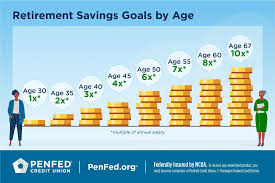
By your 30s, you should aim to increase your retirement contributions. Aim to save at least 15% of your pre-tax income for retirement, which might include contributions to a 401(k), IRA, or both. As income rises, increasing your retirement savings becomes even more critical.
2. Prioritize Paying Off High-Interest Debt
If you have high-interest debt, such as credit card balances, prioritize paying it off as soon as possible. High-interest debt can eat away at your finances, limiting your ability to save for retirement. Once those debts are cleared, you can funnel the money you were spending on interest into your retirement savings.
3. Diversify Your Investments
By this point, you should have a solid understanding of your risk tolerance and investment options. Diversify your portfolio to balance risk and growth potential. Consider including a mix of stocks, bonds, and real estate, with a heavier emphasis on growth investments (such as stocks) while you’re still relatively young.
4. Consider a Health Savings Account (HSA)
If you have a high-deductible health plan (HDHP), you can take advantage of an HSA, which is a tax-advantaged account that can be used for medical expenses. Not only is it a great way to save for healthcare costs, but after age 65, you can use the funds for non-medical expenses without a penalty (though taxes will apply).
In Your 40s: Focus on Catching Up and Mitigating Risk
As you enter your 40s, retirement is becoming more real, and your savings goals may seem more pressing. You may also face challenges such as children’s education costs or caring for aging parents. However, there are still ways to ensure that you maximize your retirement savings during this time.
1. Max Out Your 401(k) and IRA Contributions
If you haven’t already, aim to max out your 401(k) and IRA contributions. In 2023, the contribution limit for 401(k)s is $22,500, with an additional $7,500 catch-up contribution if you’re over 50. For IRAs, the limit is $6,500, with a $1,000 catch-up contribution for those 50 and older. If you can afford it, aim to contribute the maximum to these accounts.
2. Create a Detailed Financial Plan
At this point, you should have a clearer idea of your financial goals, including when you want to retire and how much you’ll need. Create a retirement plan that includes projected expenses, desired lifestyle, and savings targets. Use online retirement calculators or work with a financial planner to assess your current retirement savings and determine how much more you need to save.
3. Consider a Roth Conversion
If your income is high but your tax bracket is low, consider converting some of your traditional IRA or 401(k) savings to a Roth IRA. While you’ll pay taxes on the amount you convert, the funds in the Roth IRA will grow tax-free, and withdrawals in retirement won’t be taxed. This strategy can provide tax flexibility in retirement.
4. Reduce Investment Risk Gradually
As you approach retirement, it may be time to gradually reduce risk in your investment portfolio. While stocks have provided significant growth during your earlier years, a larger portion of your portfolio should shift to safer assets such as bonds to reduce risk.
In Your 50s: Prepare for the Home Stretch
In your 50s, retirement is often within sight, and it’s time to get serious about ensuring you have enough money to retire comfortably. This is your chance to maximize your savings and fine-tune your retirement strategy.
1. Take Advantage of “Catch-Up” Contributions
Once you turn 50, you’re eligible for catch-up contributions. In addition to the regular contribution limits, you can contribute an extra $7,500 to your 401(k) and an additional $1,000 to your IRA. This can significantly boost your retirement savings in your final working years.
2. Reevaluate Your Asset Allocation
At this stage, it’s important to balance growth with security. You may want to shift a portion of your portfolio into more stable, income-generating assets like bonds, dividend-paying stocks, or annuities. Keep a close eye on your investment risk, as you want to avoid large losses as you approach retirement.
3. Plan for Healthcare Costs
Healthcare costs tend to rise in retirement. Investigate long-term care insurance or make sure you’re contributing to your HSA (if applicable). Building an additional fund for medical expenses can prevent these costs from eating into your retirement savings.
4. Create a Detailed Retirement Budget
A few years away from retirement, it’s important to project what your expenses will be in retirement. This will help you understand how much you’ll need to withdraw from your savings each year and ensure that your portfolio is set up to provide the income you need.
Final Thoughts
No matter your age, the key to maximizing your retirement savings is to start early, stay consistent, and be strategic with your investments. Each stage of life brings different challenges and opportunities, but with the right planning, you can enjoy a financially secure retirement. Remember that retirement savings is a long-term commitment, and making small but consistent changes today can lead to big rewards down the road. Start now, and your future self will thank you.
By tailoring your approach to retirement savings based on your current stage of life, you’ll ensure that you’re making the most of your savings and achieving financial independence when the time comes to retire.